
Progressive Web Apps (PWAs) in 2026: Why Your Business Needs One
Why Progressive Web Apps (PWAs) are the smartest investment for businesses in 2026. Discover the stats, benefits, and how to get started with BrandSpiritLabs.
What Is a Progressive Web App?
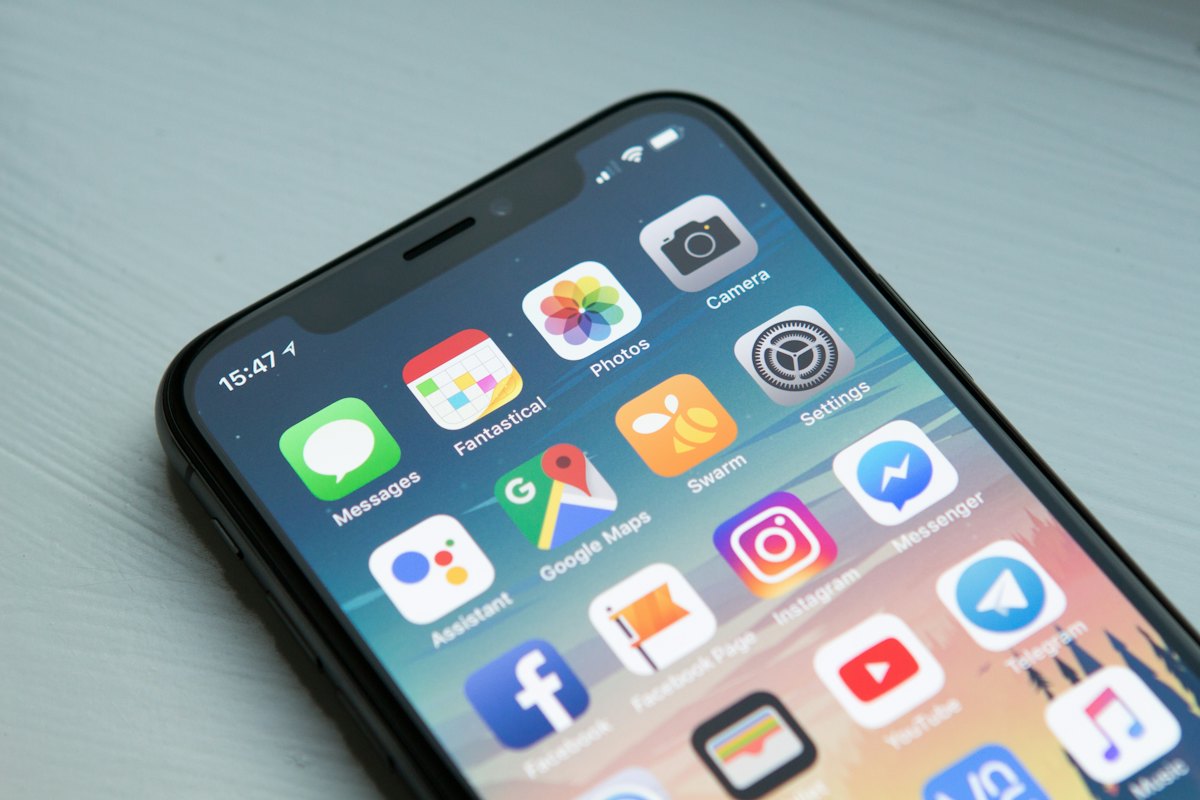
A Progressive Web App is a website that uses modern web technologies to deliver app-like experiences directly in the browser. PWAs can be installed on a user's home screen, work offline via service workers, receive push notifications, and load near-instantly thanks to intelligent caching. They look and feel like native apps but are built with standard web technologies — HTML, CSS, and JavaScript.
The key difference from a traditional website: a PWA adapts progressively to the user's device and connection, providing a consistently excellent experience whether someone is on a high-speed 5G connection in Mumbai or a slow network in rural India.
PWA vs Native App: The 2026 Decision Framework
For most business use cases in 2026, a well-built PWA is the smarter choice. Here is why: Native app development typically costs 2–3x more than a PWA for the same functionality, requires separate codebases for iOS and Android, demands app store approval (which can take weeks and be rejected), and requires users to download and update the app separately. A PWA eliminates all of these friction points.
The cases where a native app still wins: applications requiring deep device hardware access (advanced camera features, Bluetooth, precise GPS), apps that must work in regulated app store ecosystems, or experiences that require very high-performance graphics like mobile gaming.
For e-commerce, content publishing, customer portals, booking systems, dashboards, and most B2B applications — a PWA is the 2026 best practice.
The Business Case for PWAs: Real ROI Data
The performance improvements from switching to a PWA are not marginal. Pinterest rebuilt its mobile experience as a PWA and saw a 60% increase in core engagements, a 44% increase in user-generated ad revenue, and a 40% decrease in time to interactive. Trivago built a PWA and saw a 150% increase in people who add to home screen, and a 97% increase in click-outs to hotel offers. Flipkart (India's leading e-commerce platform) reported a 70% increase in conversions after launching its PWA.
For businesses serving users in India and other emerging markets, PWAs are particularly powerful because they are designed to work well on slower networks and lower-end devices — dramatically expanding the addressable market.
Core PWA Features That Drive Business Results
Offline Functionality: Service workers cache content so users can browse and interact even without internet connectivity — crucial for markets with inconsistent connectivity. Push Notifications: Re-engage users with timely, relevant messages without requiring them to open the app. Studies show push notification click-through rates of 7–10%, far exceeding email. Add to Home Screen: Users who add a PWA to their home screen are 5x more likely to return and convert. Instant Loading: PWAs load in under 1 second on repeat visits — compared to 3–5 seconds for typical mobile websites. Every second of load time reduction correlates with a 7% improvement in conversion rates.
Technical Requirements for a PWA in 2026
A PWA requires three core components: a Web App Manifest (a JSON file that tells the browser how the app should appear when installed), Service Workers (JavaScript scripts that handle caching, offline functionality, and background sync), and HTTPS (required for security and service worker registration). Modern frameworks like Next.js, Nuxt.js, and Angular all have strong PWA support built in, making implementation significantly simpler than building from scratch.
SEO Advantages of PWAs
Unlike native apps, PWAs are indexed by search engines — meaning every page is discoverable in Google search results. The combination of fast loading (Core Web Vitals compliance), mobile-first design, and full SEO indexability makes PWAs particularly powerful for businesses that rely on organic search traffic. Local SEO optimization combined with a high-performance PWA is one of the highest-ROI investments a local business can make in 2026.